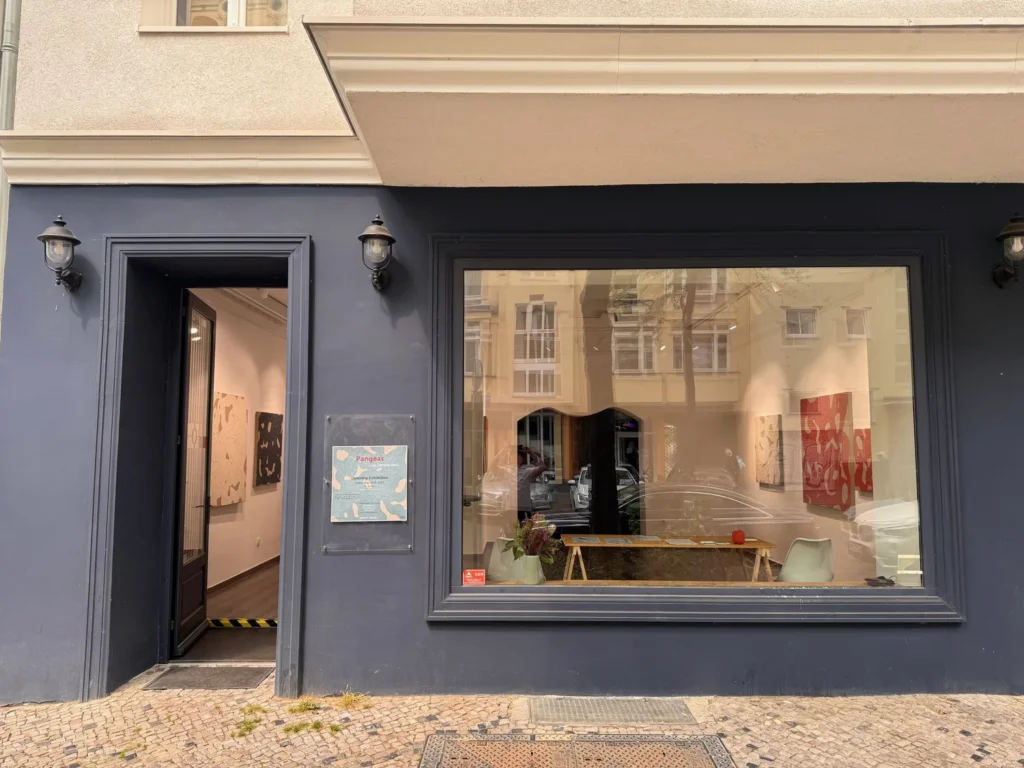

Sfeir-Semler Gallery
Beirut/Hamburgo: puente MENA-Europa con fuerte presencia institucional.
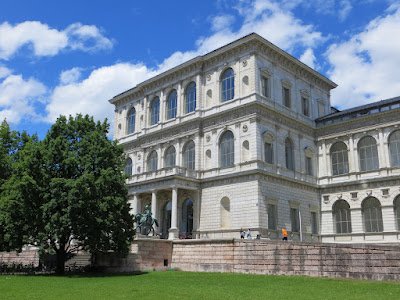
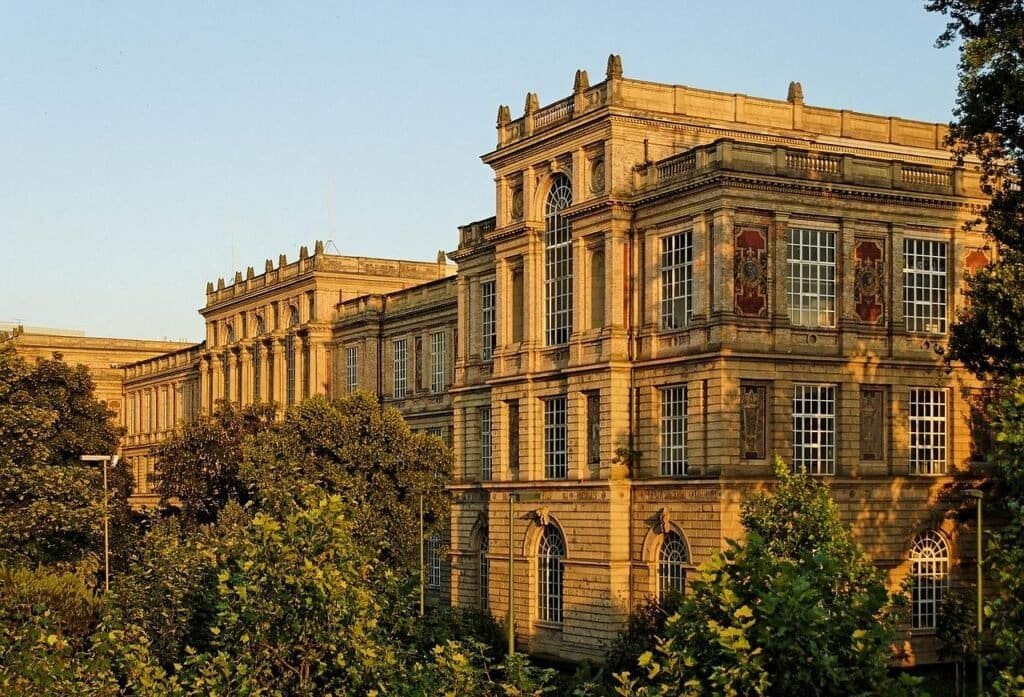
Akademie der Bildenden Künste München (ADBK) es una academia alemana destacada por su énfasis en investigación artística, experimentación y pensamiento conceptual.
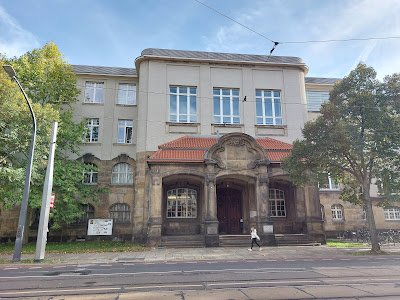
Hochschule für Bildende Künste Dresden (HFBKD) integra tradición artística con enfoques contemporáneos en pintura, escultura y medios.
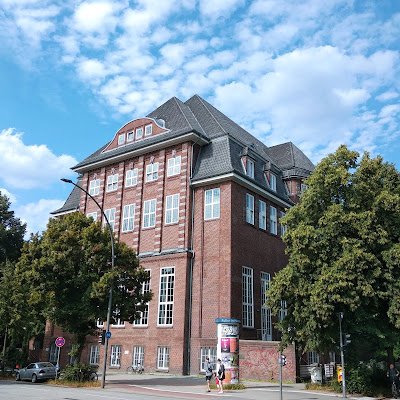
Hochschule für Bildende Künste Hamburg (HFBKH) es conocida por su enfoque abierto y experimental en artes visuales, fomentando investigación interdisciplinaria y pensamiento conceptual.
Universität der Künste Berlin (UDK) reúne artes visuales, música, diseño y medios en una de las comunidades creativas más diversas de Europa. Su enfoque privilegia la experimentación y el desarrollo interdisciplinar.
Kunstakademie Düsseldorf (KAD) es reconocida por su tradición en artes visuales contemporáneas y por fomentar enfoques conceptuales y experimentales dentro de la práctica de estudio.
Hochschule für Grafik und Buchkunst Leipzig (HGB) destaca por su tradición en gráfica, fotografía y nuevas formas editoriales. Combina técnicas históricas con enfoques experimentales de relevancia internacional.
Städelschule (STAED) es una escuela contemporánea de fuerte proyección internacional, reconocida por su cuerpo docente global y su énfasis en investigación avanzada y pensamiento crítico.
The BERLIN ART INSTITUTE promotes artistic production, discourse, mediation and research, and is dedicated to training and further education in the contemporary context through its various programs. Via international cooperation, the BAI strives for intercultural exchange and a lively, transnational dialogue, and acts as a player in the art, culture, creative, civic, and education sector.
Mexico-Berlín based art studio and residency space dedicated to the production and promotion of contemporary art projects.
The European Media Art Festival Osnabrück (EMAF) has its origin in a workshop for experimental films at the Department of Media Studies at the University of Osnabrück. This resulted in a film meeting in 1981: the so-called “Experimental Film Workshop”, and the foundation of the association of the same name, which is still the sponsor of the EMAF today. In 1988, the “Film and Television Year” proclaimed by the EU offered the opportunity to put the festival on a new footing. The team of students put together a new concept for this – under the title “European Media Art Festival”.
Since its founding in 1996, the Berlin Biennale for Contemporary Art has become one of the most important international forums for contemporary art. Each edition brings together the most influential current positions of artists, theorists, and practitioners from a variety of fields in one of the most culturally progressive cities in Europe.