documenta
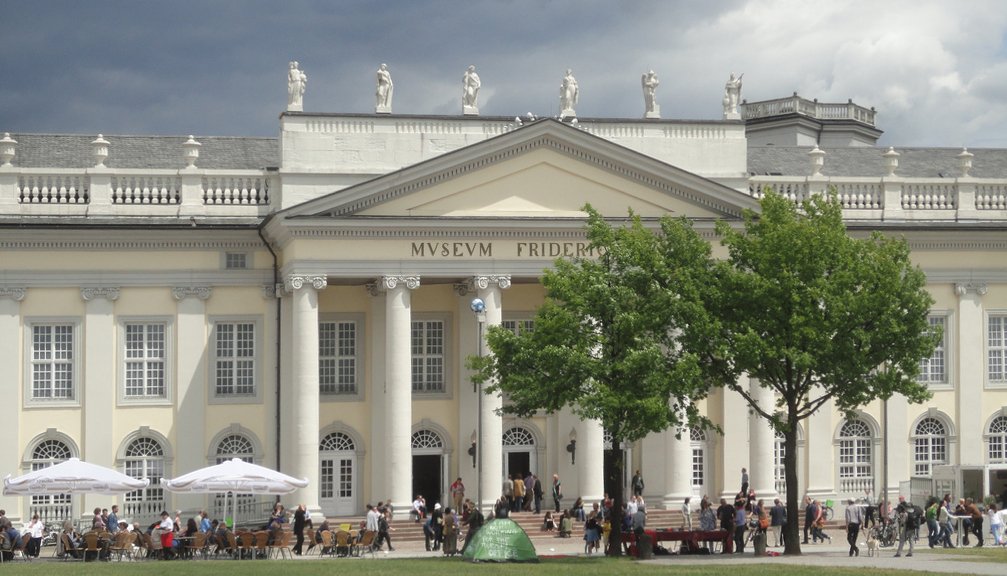
Una de las exposiciones de arte contemporáneo más influyentes del mundo, cada cinco años en Kassel.
Una de las exposiciones de arte contemporáneo más influyentes del mundo, cada cinco años en Kassel.
Latin American performing arts platform in Berlin, creating tours, encounters and artistic collaborations.
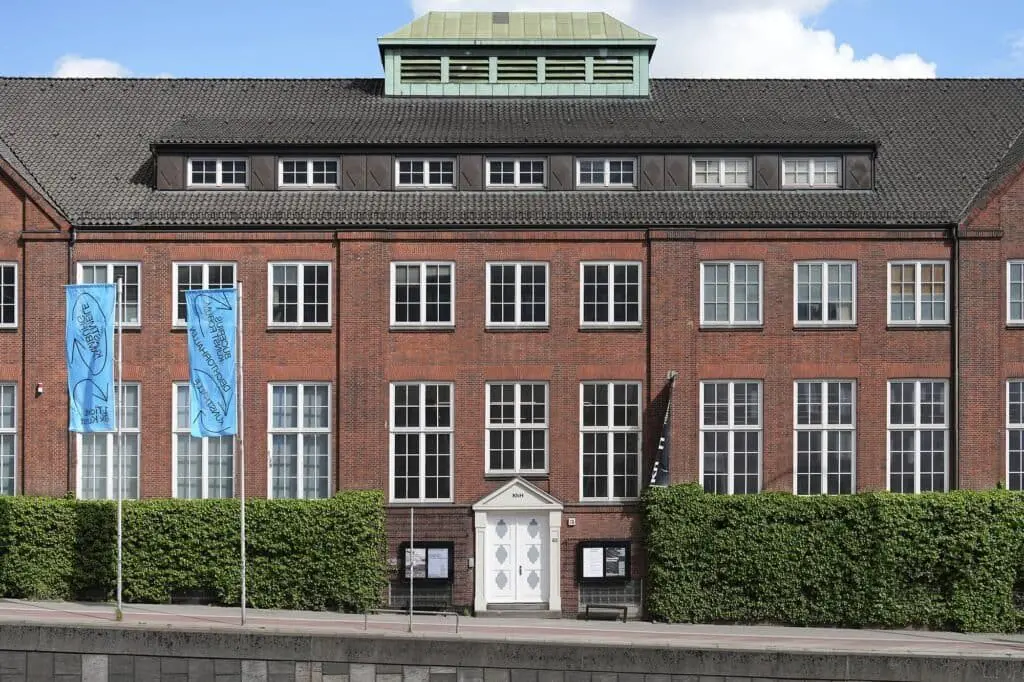
Das Kunsthaus Hamburg ist ein Zentrum für zeitgenössische Kunst und versteht sich als offene, global vernetzende Plattform. Gemeinsam mit lokalen und internationalen Künstler*innen konzipieren wir Projekte eigens für unsere Ausstellungshalle und schaffen Raum für kulturpolitische und gesellschaftsrelevante Diskurse. Durch experimentelle und transdisziplinäre Formate fördern wir Vielfalt und Sichtbarkeit für Kulturakteur*innen der Stadt.
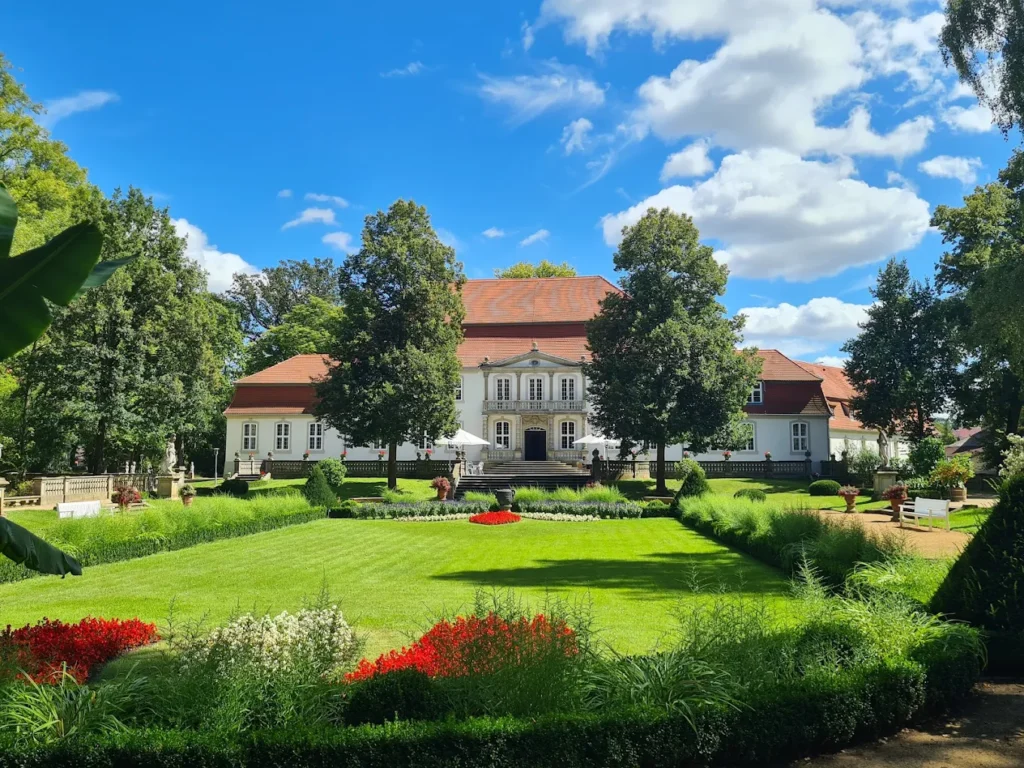
A cross-disciplinary residency in a Romantic-era manor in the Brandenburg countryside.
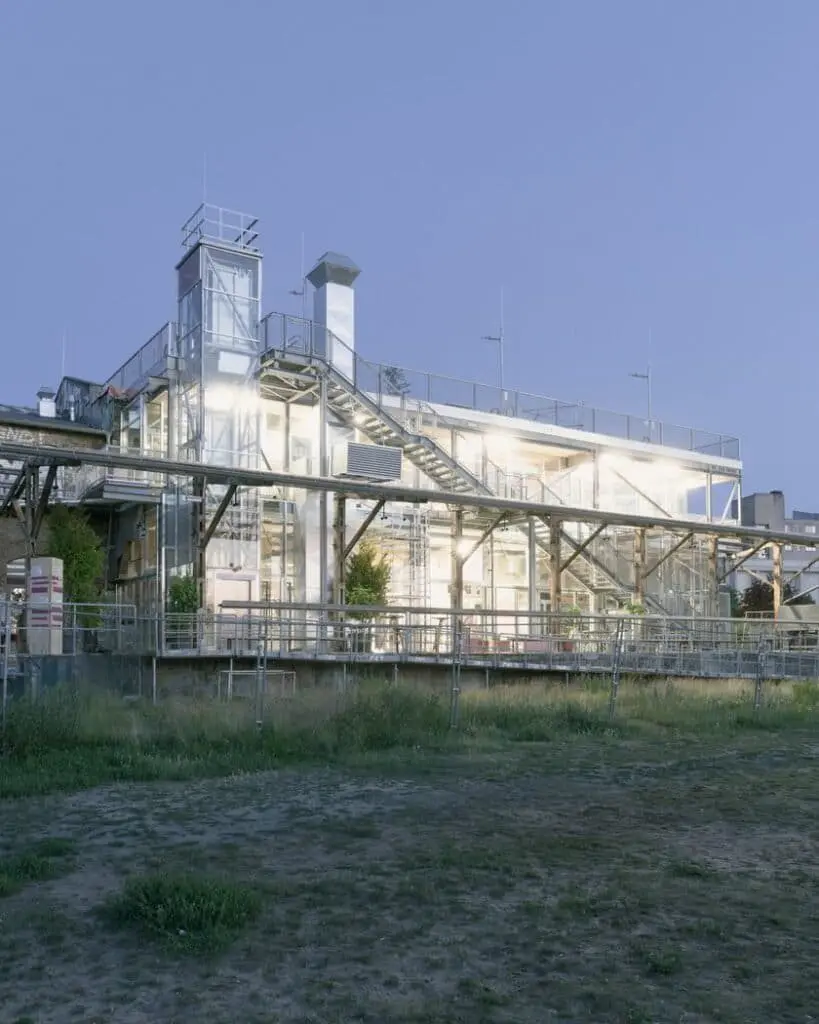
A Berlin residency and project space exploring art, the city and urban life, in a former railway depot.
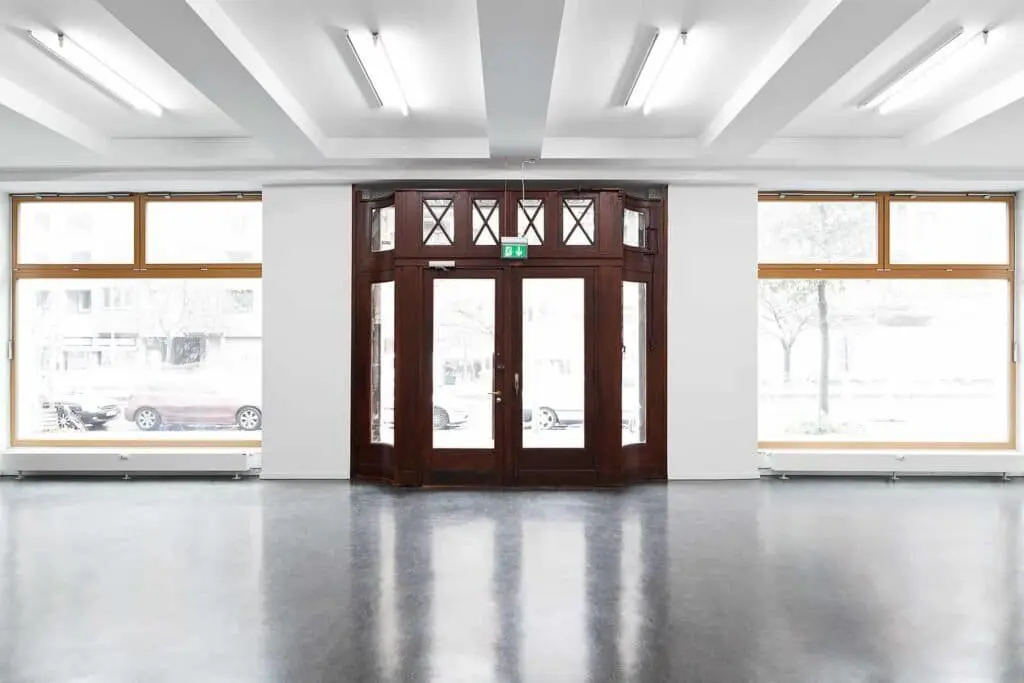
A leading Berlin institution for international artists, combining studios with an exhibition program.
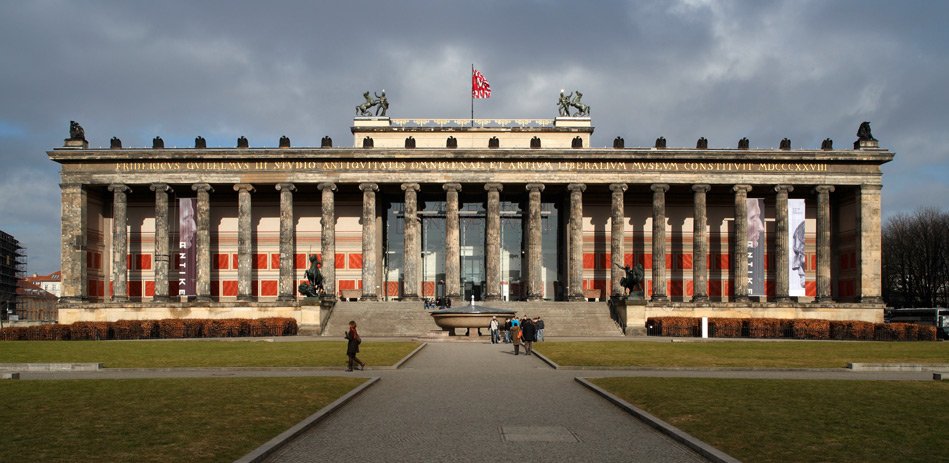
Karl Friedrich Schinkel’s Altes Museum, completed in 1830, is one of the most important buildings of the Neoclassical era.
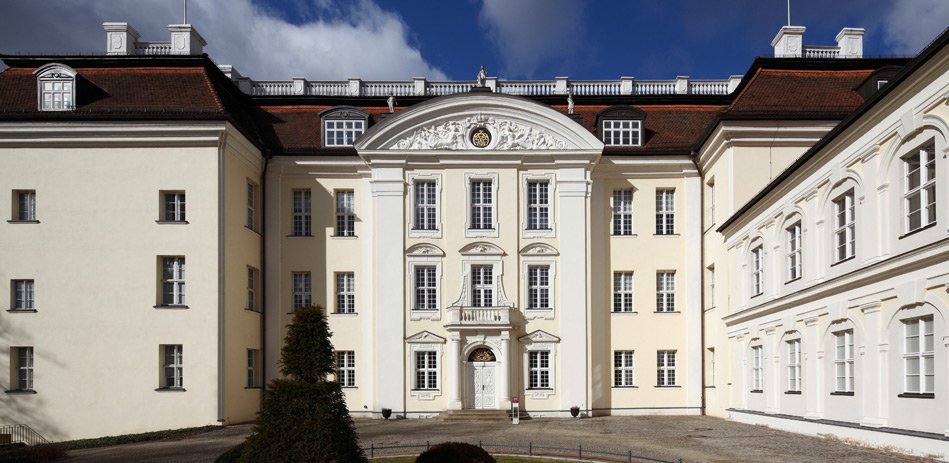
Beautifully situated on the banks of the river Dahme, the Baroque palace of Köpenick houses treasures from the Kunstgewerbemuseum (Museum of Applied Arts), complementing the museum’s main exhibition space at the Kulturforum.
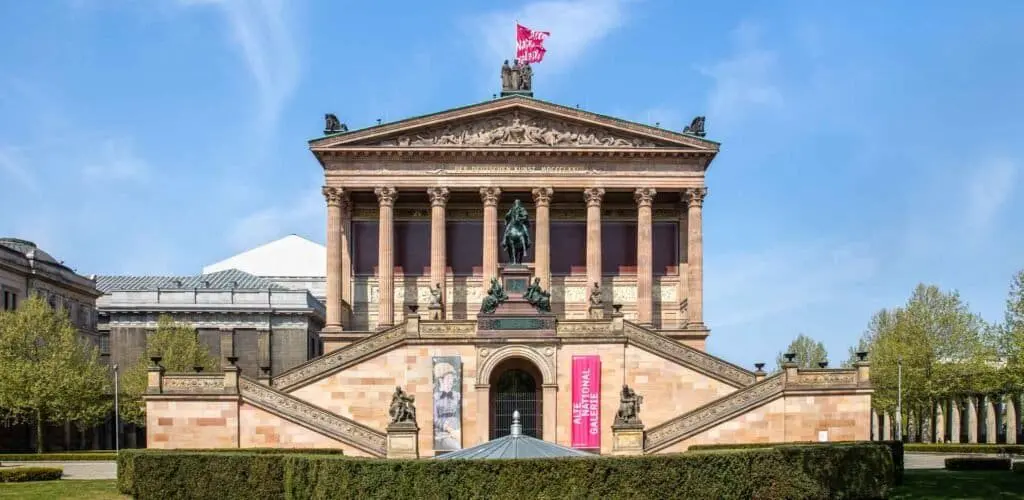
The Alte Nationalgalerie is the original home of the Nationalgalerie (National Gallery), whose collections today are divided between the Neue Nationalgalerie (New National Gallery), the Hamburger Bahnhof – Nationalgalerie der Gegenwart (Hamburger Bahnhof – National Gallery of Contemporary Art), the Friedrichswerdersche Kirche (Friedrichswerder Church), Museum Berggruen (Museum Berggruen) and the Sammlung Scharf-Gerstenberg (Scharf-Gerstenberg Collection).
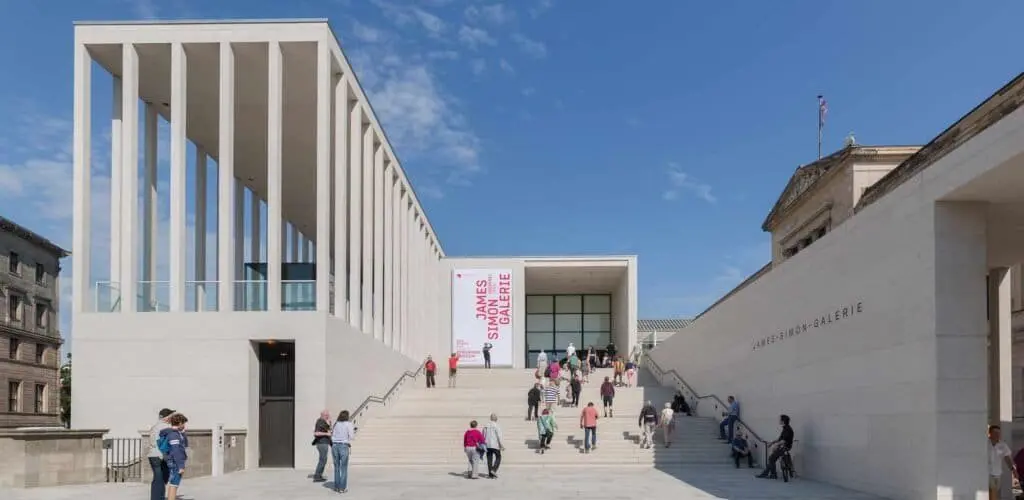
By naming its new central entrance building after James Simon (1851–1932), the Staatliche Museen zu Berlin pays tribute to the most important patron in its history. Thanks to his generous support of the arts, science, and the commonweal, the Jewish textile-business owner from Berlin stands as a shining example of modern civic duty for present and future generations.
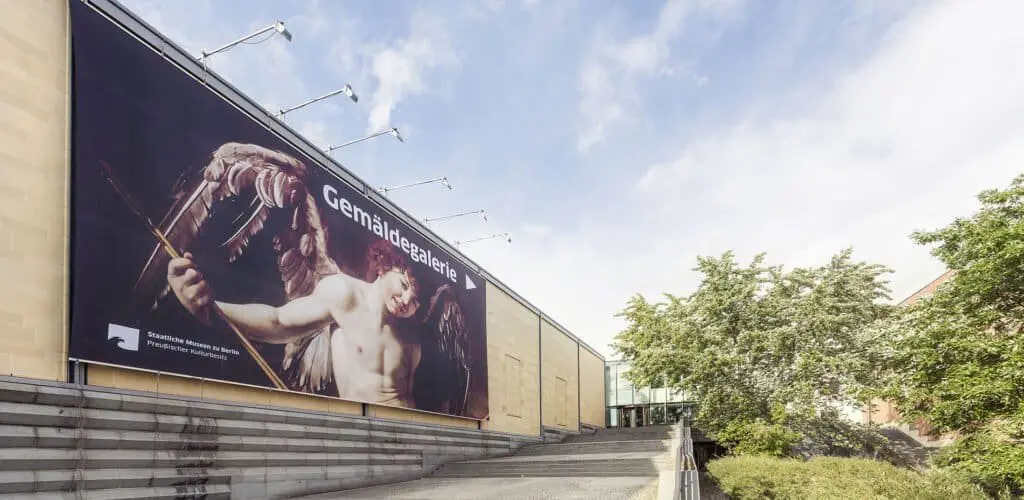
The Gemäldegalerie boasts one of the world’s most important collections of European painting ranging from the 13th to 18th century.
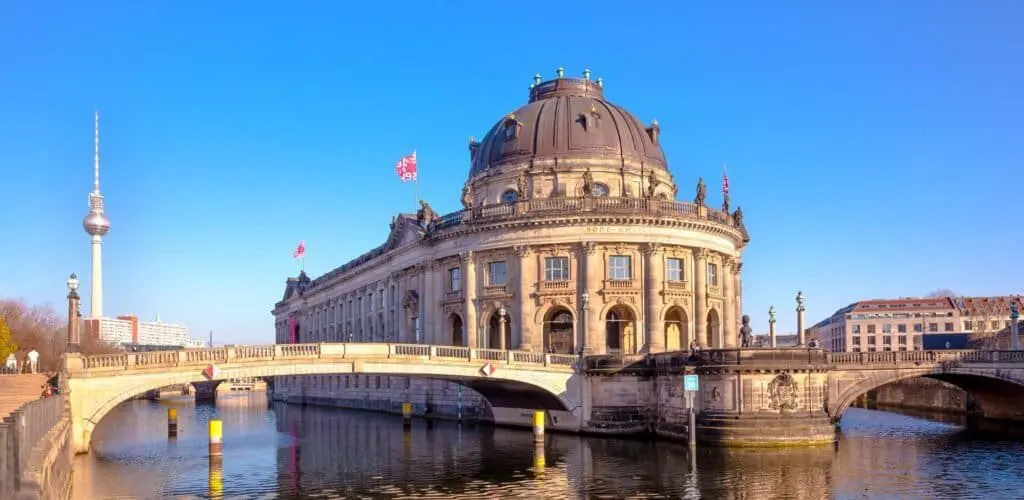
The concept of the museum, which was originally called the Kaiser-Friedrich-Museum, can be traced back to Crown Princess Victoria of

Künstlerhaus Marktoberdorf is a museum dedicated to contemporary art located in the town of Marktoberdorf in the Allgäu region of southern Germany. The institution serves as an exhibition space, cultural platform, and educational center focused on presenting current artistic positions from both regional and international contexts.
Founded in 2010, Node Center is the first online learning program for curators and art professionals. Through real-time interaction with
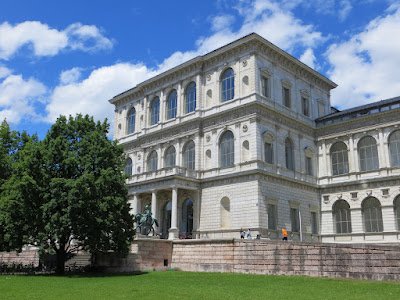
Akademie der Bildenden Künste München (ADBK) es una academia alemana destacada por su énfasis en investigación artística, experimentación y pensamiento conceptual.